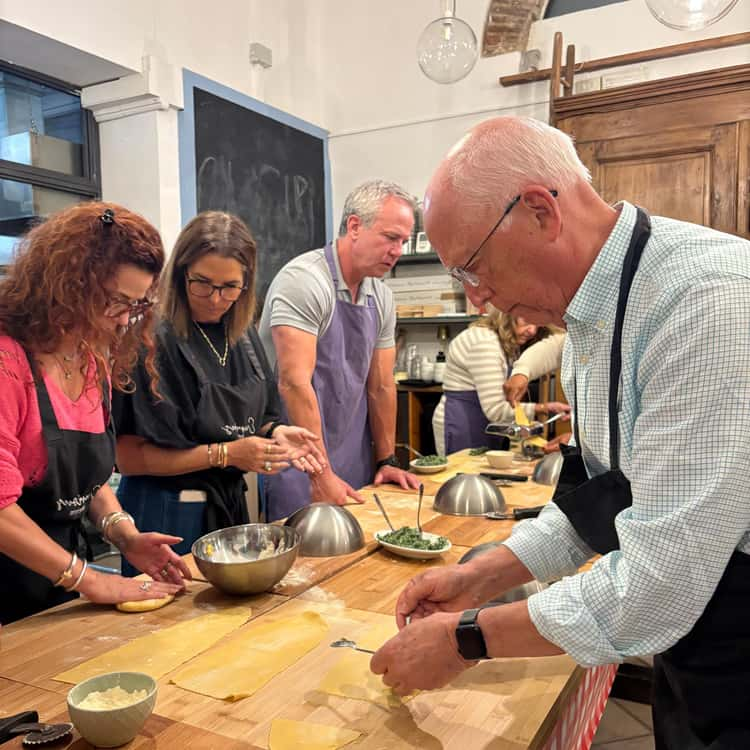
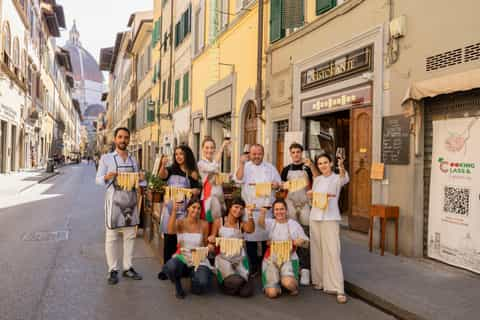
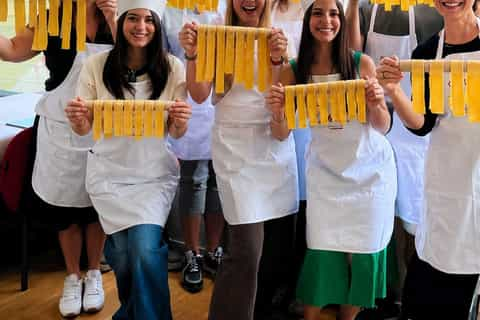
Florence: Pasta Cooking Class with Unlimited Wine
A strong first pick if you want the classic pasta class with wine included. It has the biggest review count here and a low entry price.
Book Florence Pasta Cooking Class & Unlimited Wine Tickets 2026 and compare the main options fast. Check the pasta format, wine setup, dessert add-ons, and what each class includes before you book.
A strong first pick if you want the classic pasta class with wine included. It has the biggest review count here and a low entry price.
This is an independent guide, not the official site. Some links are affiliate links, and we may earn a commission at no extra cost to you. We help you compare class type, wine, dessert, group style, and what is included.
Compare six Florence pasta class options by format, food included, and traveller feedback. These six options appear in descending review order. Check what each class makes, how much food you get, and whether the wine setup fits your plan.
1
Most reviewed
β β β β β 4.8543725 Β· 15,966 reviews
This has the most reviews among these six options. Choose it if you want the classic pasta class format with a low entry price and strong traveller feedback.
2
Sweet add-on
β β β β β 4.9077177 Β· 8,584 reviews
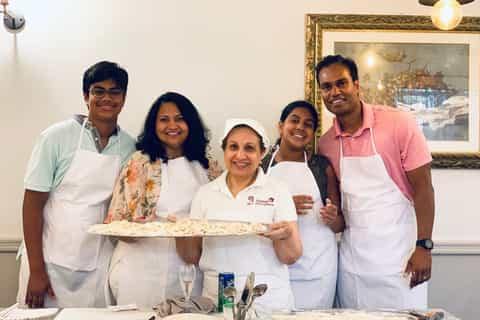
This version adds tiramisu and still keeps the unlimited wine format. It suits travellers who want dessert included and do not need the very highest review count.
3
Farm setting
β β β β β 4.9417706 Β· 1,656 reviews
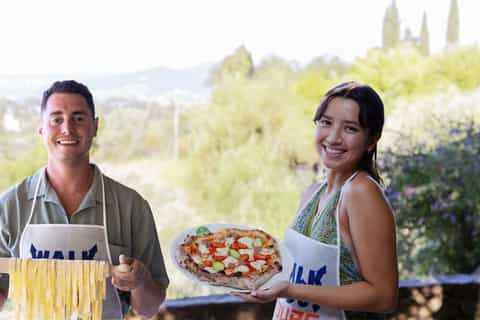
This is the countryside option on the list. It suits travellers who want a farm setting and gelato, and who are happy to pay more than the city classes above.
4
Dessert class
β β β β β 4.8211164 Β· 1,650 reviews
This is the lower-priced tiramisu option among the six. It works well if you want the same pasta-and-dessert idea but with fewer reviews than the card above.
5
Pizza option
β β β β β 4.8713765 Β· 1,392 reviews
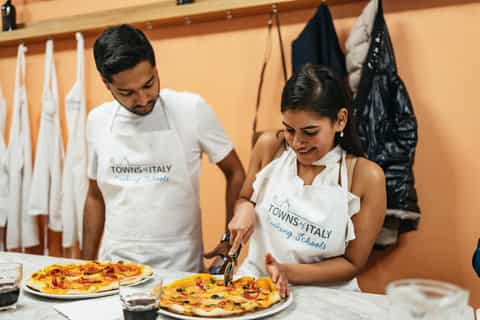
This is the pizza-based choice, not a pasta class. Pick it if you want a different hands-on format with gelato and wine, and you are comparing food experiences rather than only pasta.
6
View setting
β β β β β 4.979912 Β· 756 reviews
Its title focuses on the view, drinks, and fresh pasta rather than unlimited wine. Check the selected option if you want a smaller review pool and a setting with a Ponte Vecchio view.
Use this table to compare format, what food is included, review volume, and price. Some options focus on simple pasta making, while others add tiramisu, gelato, wine, or a farm setting.
| Option | From | Rating | Reviews | Format | Includes | Best for |
|---|---|---|---|---|---|---|
| Florence: Pasta Cooking Class with Unlimited WineThe lowest-priced pasta-first choice, with the biggest review base here. | β¬18 | 4.8543725 | 15,966 | Cooking class | Fresh pasta, unlimited wine | Travellers who want a simple pasta class with strong review volume. |
| Florence: Pasta & Tiramisu Cooking Class with Unlimited WineAdds dessert to the pasta format and still keeps the entry price low. | β¬18 | 4.9077177 | 8,584 | Cooking class | Pasta, tiramisu, unlimited wine | Visitors who want pasta and dessert in one booking. |
| Florence: Pizza or Pasta Class with Gelato at a Tuscan FarmTakes place on a farm and lets you choose pizza or pasta. | β¬72 | 4.9417706 | 1,656 | Farm cooking class | Pizza or pasta, gelato | Travellers who prefer a countryside setting and a slower meal experience. |
| Florence: Pasta & Tiramisu Cooking Class with Unlimited WineA lower-priced dessert class with far fewer reviews than the top option. | β¬30 | 4.8211164 | 1,650 | Cooking class | Pasta, tiramisu, unlimited wine | Visitors who want a similar menu but are comparing a different booking profile. |
| Florence: Pizza-Making Class & Unlimited Gelato with WineShifts away from pasta and pairs pizza with gelato and wine. | β¬47 | 4.8713765 | 1,392 | Pizza class | Pizza-making, unlimited gelato, wine | Travellers who want a pizza-focused class instead of pasta. |
| Florence: Fresh pasta course with Spritz, wine and a view of the Ponte VecchioThe shortest-price option here, with drinks and a Ponte Vecchio view. | β¬16 | 4.979912 | 756 | Cooking class | Fresh pasta, spritz, wine, Ponte Vecchio view | Travellers who care most about the setting and the lowest price. |
These six Florence pasta class options suit different plans. Answer four quick questions to narrow the choice by food style, timing, atmosphere, and what matters most to you.
We will show the closest match once all four answers are selected.
Start with the style you want, then use price and review volume to narrow the choice.
Several Florence pasta class tickets look alike, but they can differ in food, drink, venue and travel time. Check the details before you pay, so the option matches your meal plans and the route you need to take.
The meeting place may be outside central Florence
Some classes are in the city, but others are on a Tuscan farm or at a different venue. If you assume every ticket starts near the same street pin, you can waste time or plan the wrong route.
Fix: Check the exact meeting address on your voucher before you leave. Save it in your map app and use that pin, not the page title or the nearest landmark.
Similar titles can hide different food and drink
One ticket may focus on pasta only, while another adds tiramisu, gelato, spritz or wine. If you book by name alone, you may miss the dessert, drink setup or meal style you expected.
Fix: Read the included items line before paying. Confirm the pasta shape, dessert, and drink setup on the exact option you choose, especially when two listings have almost the same name.
Unlimited wine is not the same on every ticket
Some Florence pasta classes include unlimited wine, while others mention wine, spritz or soft drinks instead. If you expect open wine service and book the wrong option, the meal can feel very different.
Fix: Check the drink wording on the product page, not the headline. Look for the exact phrase used on your ticket, and confirm whether non-alcoholic drinks are listed if you need them.
Dietary needs are not the same across classes
Fresh pasta often uses wheat and eggs, and tiramisu usually adds dairy and eggs. If you need vegetarian, vegan or gluten-free food, a standard class may not suit you without a clear confirmation.
Fix: Check the dietary notes on the chosen listing before booking. If you have an allergy or medical gluten need, ask the operator to confirm the setup and any cross-contact limits in writing.
This practical guide covers the details that shape a Florence pasta class after you have chosen one. Use it to compare timing, food, wine, dietary needs, and the small rules that change the day.
Most Florence pasta classes last about 2 to 3.5 hours, with longer market or countryside options.
That range fits the main city classes here. The shorter style is common for fresh pasta and tiramisΓΉ. The longer end suits more dishes, a sit-down meal, or more wine service.
Some market and food-visit formats run about 4 to 5 hours or longer. A Chianti-style outing can also take longer because it adds travel and tastings.
Use the duration to match your day. A morning class can replace lunch. An evening class can replace dinner.
If you are fitting this around museums or a train, do not book only by price. The run time and meal style matter more here than they do for a simple ticket.
Most classes include the ingredients, the cooking lesson, and the meal you make.
A hands-on class usually gives you the food, the tools, and the space to cook. Many also include an apron, water, wine or another drink, and recipe cards or a recipe booklet.
Some products add extra dishes, dessert, or a drink setup such as unlimited wine. Others keep the focus on pasta only.
Do not treat one listing as the rule for all. One class may include tiramisΓΉ, while another may switch to pizza, gelato, or a farm setting.
Read the menu line closely if you want a full meal. That is where you see whether you get pasta only, pasta and dessert, or a broader food experience.
Yes, but the pasta shapes depend on the class you pick.
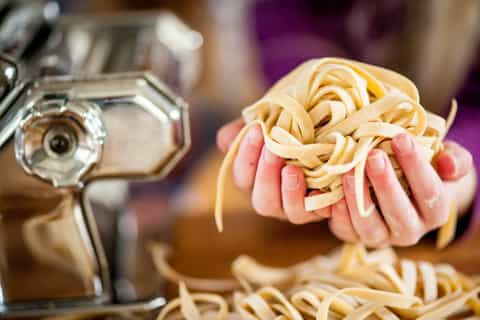
Florence classes often teach ribbon pasta and filled pasta. Common shapes include tagliatelle, fettuccine, pappardelle, and ravioli. Some classes also teach gnocchi or tiramisΓΉ.
This is a real booking difference. One product may focus on pasta only, while another adds dessert or a second dish. A farm class may also switch between pizza and pasta.
Do not assume every class teaches the same shapes. The menu is product-specific, and the title does not always list every dish you make.
If one shape matters most to you, open the full class details before booking. That is the safest way to match the workshop to what you want to learn.
No. Unlimited wine is a product feature, not a Florence-wide rule.
Some classes include unlimited wine. Others include a glass, wine with the meal, spritz, water, or soft drinks instead. One class may serve wine with the food, while another adds only a set drink list.
That difference matters because the class name can sound similar across listings. Two pasta classes may have very different drink setups even when the menu looks close.
If you do not drink alcohol, look for a soft-drink option on the booking page. Several listings do offer a non-alcoholic choice, but it is not the same on every product.
For anyone booking mainly for the drink side, the exact wording on the ticket is the part to trust.
Yes, many can, but the drink option depends on the class.
Some Florence classes include water or soft drinks alongside wine. One listing explicitly offers wine or soft drinks. That makes the experience easier for non-drinkers.
Still, the drink setup is not the same everywhere. A class with unlimited wine is a different booking from one with a mixed drink choice or no alcohol focus at all.
This is worth checking before you pay if you want a quieter meal or if you avoid alcohol for personal reasons. It also matters for groups where not everyone drinks.
If the menu is right but the drink line is not, choose a different product rather than hoping for a swap on the day.
Vegetarian support is fairly common, but vegan and gluten-free needs must be checked per class.
Vegetarian options are often available, and some classes say so clearly. Gluten-free support also appears on some listings, but not all. Vegan menus are harder because fresh pasta and tiramisΓΉ often use egg, milk, or both.
Do not treat a gluten-free mention as the same thing as celiac-safe preparation. Wheat flour is central to pasta making, so cross-contact can still matter.
If you have an allergy or a medical diet, tell the operator before booking and confirm the exact handling. That is more important here than in many other food experiences.
This is one of the main reasons to read the full product page instead of choosing by title alone.
There is no single meeting point, so the voucher address is the one that counts.
Classes run from different places across Florence. The verified operator information for the closest matching site lists Piazza Lorenzo Ghiberti 4r and Via dellβAgnolo 77r as published addresses.
That does not mean every class starts at one of those spots. Some products use different venues or restaurants, and some may have more than one possible location depending on the time slot.
Always use the address on your booking voucher. That is the one that tells you where to go on the day.
This matters most if you are walking through central Florence or arriving from another activity. A wrong address can cost more time than the class itself.
Yes, many do, but age rules vary by class.
Family-friendly cooking is common in Florence, but there is no single minimum age for every class. Some experiences welcome children broadly, while others set a higher age rule or a private format.
That matters because the activity often includes wine, hot pans, and close food prep. A family booking should check the menu, the timing, and whether children get their own work space.
If you are booking for younger children, look at the class length as well. A short pasta session is easier than a long meal with several courses.
For groups with mixed ages, the best choice is usually the one with the clearest age note and the simplest setup.
Wear normal clothes you do not mind getting flour or sauce on.
Comfortable everyday clothing is the right choice for a hands-on cooking class. Closed shoes are sensible, and long hair should be tied back if you have it. Loose sleeves can get in the way near dough and hot pans.
Many classes supply an apron, but apron provision is not the same everywhere. If the class is in a warm kitchen or a busy food space, lighter layers help.
This is not a formal event. You are there to cook, mix, roll, and eat, so choose clothes that suit that. If you plan to go out afterward, bring a change of top.
The main point is simple: dress for food, not for a dinner reservation.
Check the menu, the drink setup, and the meeting point before you pay.
Those three details cause the most problems. The pasta shapes can change from one listing to another. The drink setup can range from soft drinks to unlimited wine. The meeting point can also differ from the venue name on the title.
It is also worth checking whether the class replaces a meal, because many do. A late morning class can work as lunch, while an evening one may work as dinner.
If you need a vegetarian, gluten-free, or child-friendly option, confirm that on the exact product page. That is better than assuming the same rule applies across all Florence pasta classes.
In short, choose the class by food, drink, and start point first. Those are the details that shape the whole visit.
The part many visitors miss is that a Florence pasta class is not just about making dinner. It shows how Tuscan cooking turns a few basic ingredients into a shared meal. Once you notice that, the lesson becomes easier to read: flour, eggs, shaping, sauce, and the final table all belong to one routine.
Tuscan pasta is a lesson in restraint: technique matters more than long ingredient lists.
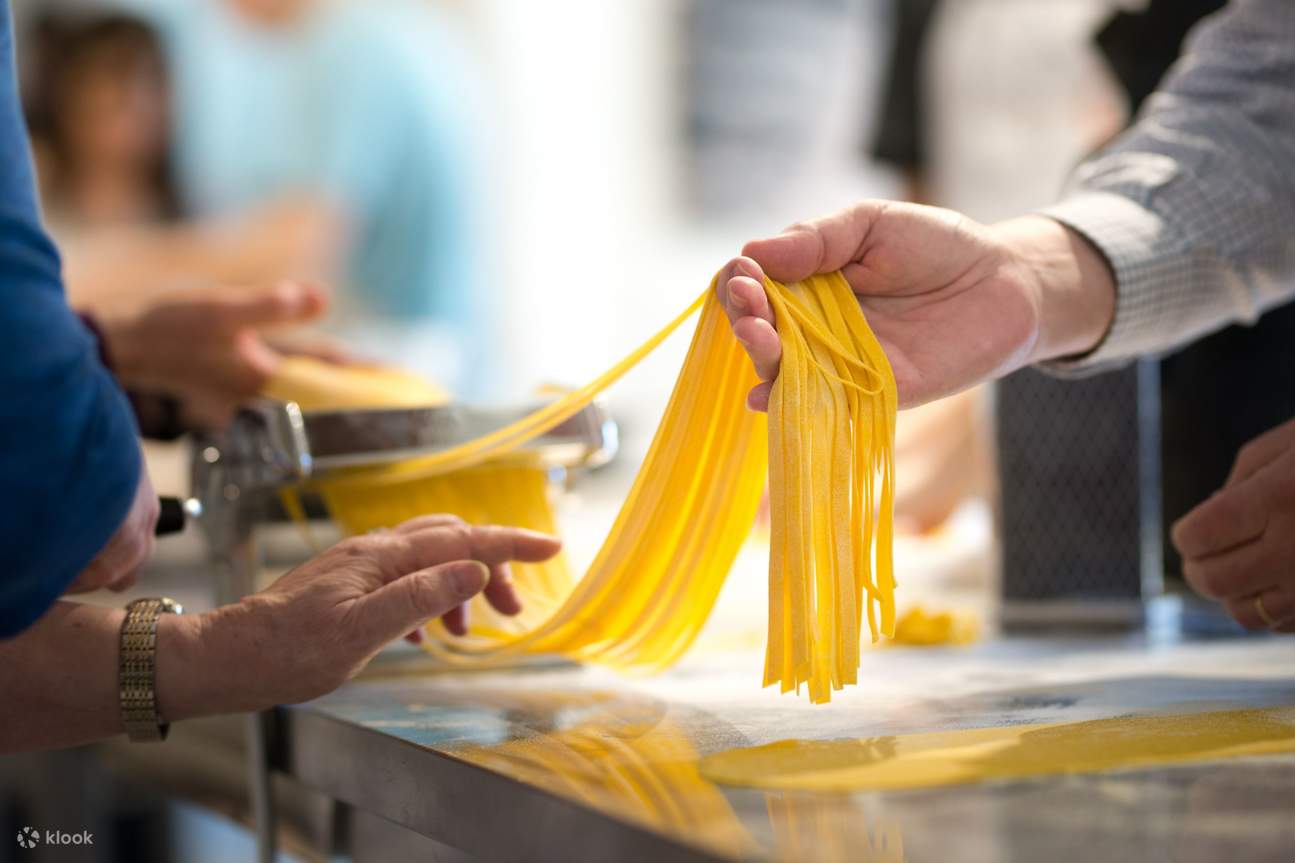
Fresh pasta changes the whole experience because it is built around texture, not storage. The dough is mixed, kneaded, rested, rolled, and cut in front of you, so the process is as important as the result.
That is why ribbon shapes and filled pasta make sense here. Wide sheets hold sauce well, while stuffed pasta turns the meal into something closer to a small assembly line of folding, sealing, and cooking.
Florence sits in Tuscany, where food culture has long balanced city life with rural ingredients. Bread, olive oil, beans, vegetables, meat, and fresh pasta all belong to that wider regional pattern.
The best clue is that Florence cooking does not rely on one fixed signature dish. It works through local variation, from pappardelle and pici to Mugello tortelli and other filled pastas linked to the Florence area. That mix tells you more about the region than any single recipe can.
In Florence, food experiences often move between market logic and kitchen logic. Markets show you the ingredients in raw form, while the class shows how those same ingredients become a meal.
That link matters because Tuscan cooking is built on shopping well, cooking simply, and using what is in season. If you understand the market side first, the class stops feeling like a performance and starts reading like a working part of the cityβs food culture.
Watch for the small decisions. The width of the pasta, the way the dough feels under the hands, and the sauce that follows each shape all show why this cuisine prizes balance over excess.
Once you see that structure, the experience changes. You are not only making pasta in Florence; you are learning how Florence and Tuscany turn everyday ingredients into a regional language of food.
No. Many Florence pasta classes are designed for beginners. An instructor demonstrates the steps, from mixing and kneading dough to rolling, shaping and cooking it.
If you have never cooked before, choose a class described as hands-on and beginner-friendly. Check the class language so you can follow the instructions comfortably.
It depends on the experience. Some classes teach fresh pasta such as tagliatelle, fettuccine or ravioli; others focus on lasagna, sauces, tiramisu or gelato.
Read the exact menu before booking. Do not assume that a pasta-and-tiramisu class includes a market tour, or that a pasta-and-gelato class includes several pasta shapes.
Many pasta workshops let you prepare dough and shape pasta yourself with guidance from the chef. Other food experiences put more emphasis on demonstrations or tasting.
Look for wording such as βhands-on,β the dishes each guest prepares, and the group size. These details tell you more than the word βauthenticβ in a tour title.
Many city-centre workshops last around three hours. Classes that include a market visit or a longer meal may take three to five hours, depending on the selected option.
Allow extra time to find the kitchen and enjoy the meal afterwards. Use the duration shown on your specific booking rather than planning around a general estimate.
Many hands-on cooking classes finish with a meal featuring the dishes prepared during the lesson. Whether a drink, dessert, coffee or wine is included depends on the package.
Check the βIncludedβ section and whether the meal covers everyone in your booking. A tasting, a full lunch and a multi-course dinner are not the same experience.
Some classes offer vegetarian alternatives, but vegan and gluten-free options vary considerably. Traditional fresh pasta often contains wheat flour and sometimes eggs.
Contact the provider before paying, especially if you have coeliac disease or a serious allergy. A substitute recipe does not guarantee a gluten-free kitchen or protection from cross-contact.
Do not assume an allergy can be accommodated. Ingredients, sauces, desserts and shared equipment can contain allergens or create a cross-contact risk.
Tell the provider about the exact allergy before booking and ask for written confirmation of what they can safely offer. If they cannot confirm suitable arrangements, choose another activity.
Some cooking classes welcome families, while others set a minimum age or require children and teenagers to attend with an adult. Policies are specific to each product.
Check the minimum age, child ticket price, use of knives or hot equipment and class length. For younger children, a shorter family-friendly workshop may be easier to enjoy.
Many tourist-focused classes offer instruction in English. Some also offer Italian or other languages, but the choices depend on the instructor and booked session.
Check the language for your selected time slot, not just the general tour description. If you need another language, ask the operator before making a non-refundable booking.
Only some classes include a market visit. A cooking lesson held near Mercato Centrale is not necessarily a market-and-cooking tour.
Check whether shopping, local tastings and transport to the kitchen are included. Market-based itineraries may change on Sundays, holidays or when stalls are closed.
There is no single meeting point for all pasta classes. Kitchens are located in different parts of Florence, including the historic centre and nearby neighbourhoods.
Use the exact address and meeting instructions on your voucher. Check the street number and entrance details; do not head to Mercato Centrale unless your booking specifically tells you to meet there.
Some providers ask guests to arrive about 15 minutes before the scheduled start. Cooking classes often begin promptly because participants prepare dishes together.
Follow the arrival time on your own voucher. Late arrival may mean missing steps or being unable to join, and a refund is not guaranteed.
Wear comfortable clothes and stable, closed-toe shoes that are suitable for working in a kitchen. Tie back long hair and avoid loose sleeves near cooking equipment.
Many classes provide ingredients, utensils and an apron, but check your ticket. Bring your booking confirmation and any dietary information you have already discussed with the host.
A small-group class may offer more opportunities to ask questions and receive help while shaping pasta. A private session may suit a family, celebration or group with a particular pace or menu in mind.
Compare the maximum group size, exact dishes, duration and total group price. βSmall groupβ does not mean private, and not every private booking allows menu changes.
Cancellation terms depend on the provider and booking platform. Some experiences advertise free cancellation up to 24 hours before the start, while other classes have stricter policies.
Check the cancellation deadline in local Florence time, the rules for late arrival or no-shows, and whether date changes are allowed. Keep the written confirmation for reference.
Each attraction has its own visitor guide, covering opening hours, ticket options and practical route advice. A cooking class usually runs about three hours and starts at a fixed time, so the rest of the day is easier to plan around it. Most classes meet in the historic centre, within walking distance of the sights below.
Each guide is maintained by our Independent guides, with factual details checked against official sources where available. We do not sell tickets directly. Bookings are handled by third-party booking partners, and we may earn a commission at no additional cost to you.